
Joint pain, injury, and strain can affect how comfortably you move through daily life. Whether you’re recovering from an injury, managing chronic pain, or simply looking for extra support during activity, the right brace can make a noticeable difference.
Wrist braces, knee braces, and ankle braces are designed to stabilize joints, reduce strain, and support healing so you can move with greater confidence.
In this guide, we’ll look at how the right support works and highlight a few reliable options for wrist, knee, and ankle protection.
Why Joint Bracing Matters
Braces help support joints by limiting excessive movement while still allowing natural motion. This balance can help reduce pain, prevent further injury, and improve stability during everyday activities.
People often use braces to:
-
Recover from sprains, strains, or surgery
-
Manage arthritis or chronic joint pain
-
Prevent injuries during work or physical activity
-
Support weak or unstable joints
The key is choosing a brace designed for the specific joint and condition you are dealing with.
Wrist Support for Pain, Strain, and Carpal Tunnel
The wrist is one of the most frequently used joints in the body. Repetitive movements from typing, lifting, or sports can lead to discomfort, tendon irritation, or nerve compression.
A wrist brace helps stabilize the joint and keep the wrist in a neutral position. This reduces strain on tendons and nerves while allowing the area to recover.
A carpal tunnel wrist brace is especially helpful for individuals experiencing tingling, numbness, or weakness caused by compression of the median nerve. Wearing a brace for the wrist during daily activities or while sleeping can reduce symptoms and prevent further irritation.
The Wrist Lacer II 8" Wrist Support is designed to provide firm stabilization while maintaining comfort for daily wear.
Key benefits include:
-
Lace-up design for a secure and adjustable fit
-
Rigid support to keep the wrist in a neutral position
-
Breathable materials for extended wear
-
Ideal as a wrist brace wrist support for repetitive strain and carpal tunnel symptoms
This type of wrist brace is commonly recommended for individuals dealing with tendonitis, sprains, or carpal tunnel discomfort.
Knee Stability for Movement and Recovery
The knee carries significant weight and stress throughout the day. Walking, climbing stairs, sports, and work activities can all place pressure on the joint.
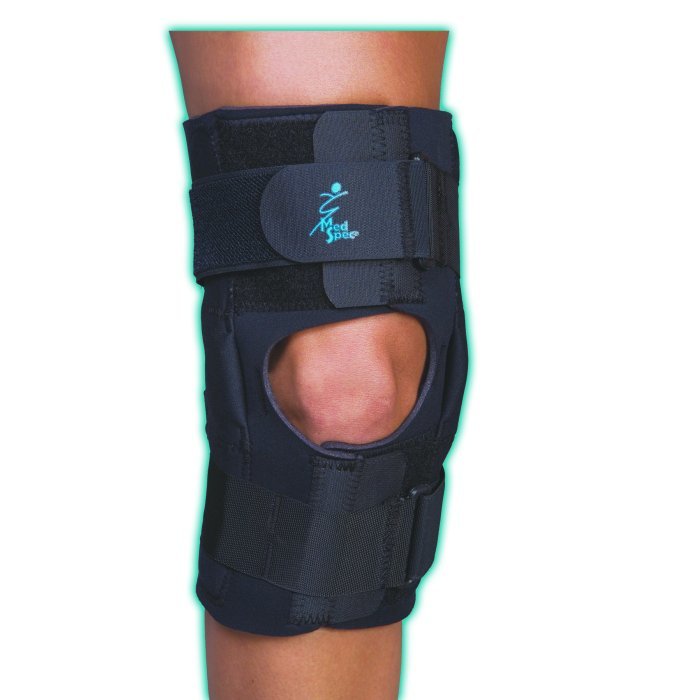
A knee brace provides support by stabilizing the ligaments and helping control movement. Hinged knee braces are particularly useful when additional structure is needed for ligament injuries or knee instability.
The is designed for enhanced knee stability and controlled motion.
Features include:
-
Hinged supports that help guide natural knee movement
-
Secure straps to prevent slipping during activity
-
Durable design suitable for everyday use or recovery
-
Support for ligament injuries, knee weakness, or joint instability
This style of brace can help improve confidence when walking, working, or returning to activity after injury.
Ankle Protection for Stability and Injury Prevention
Ankle injuries are among the most common joint issues, particularly sprains caused by rolling or twisting the foot. Even after healing, many people experience ongoing instability.
An ankle brace can help protect the joint by limiting excessive movement while maintaining flexibility.
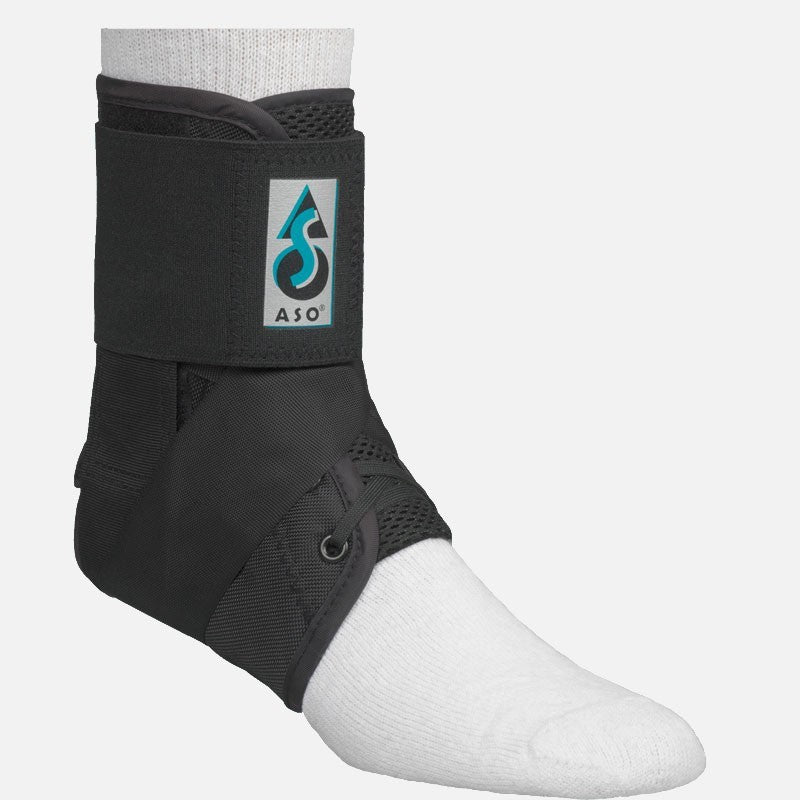
The ASO Ankle Stabilizer is widely used for ankle injury prevention and recovery.
Benefits include:
-
Figure-eight stabilizing straps that mimic athletic taping
-
Lightweight design that fits comfortably inside most shoes
-
Breathable materials for all-day comfort
-
Reliable support for ankle sprains and instability
This brace provides the balance of flexibility and structure needed for everyday mobility.
Choosing the Right Brace for Your Needs
When selecting a brace, consider the following factors:
-
Level of support needed: Mild compression vs. rigid stabilization
-
Comfort and fit: Breathable materials and adjustable closures
-
Activity level: Braces designed for daily wear or athletic use
-
Specific condition: Carpal tunnel, ligament injury, or joint instability
The right brace should support the joint without restricting necessary movement.
Find the Right Support for Your Joints
Every injury, condition, and body is different. That’s why the right brace should do more than just fit. It should provide the level of support, comfort, and stability that works for your daily life.
Visit us in store or explore your options online at hcs.ca/custom. Our experienced and compassionate team is here to help you find personalized support solutions that help you move comfortably and confidently every day.