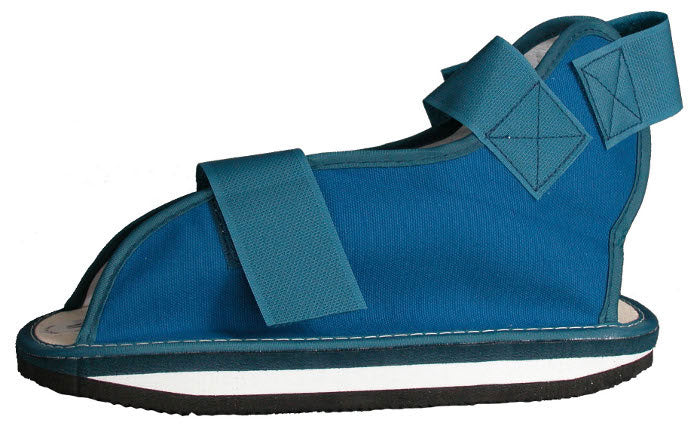
Therapeutic shoes are specially designed footwear that help support foot health, mobility, and overall comfort. They’re ideal for people living with diabetes, arthritis, or other conditions that affect circulation, sensitivity, or balance. Unlike standard shoes, these styles provide extra depth, cushioning, and adjustable fit to accommodate swelling or orthotic inserts.
Diabetic therapeutic shoes are made to prevent skin irritation, pressure sores, and calluses, which can lead to serious foot complications. Their seamless interiors, wide toe boxes, and breathable materials promote comfort while reducing friction. Many styles also feature slip-resistant soles and lightweight designs to make walking safer and easier throughout the day.
- What are therapeutic shoes? They’re shoes made with specialized materials and construction to reduce pressure, protect sensitive feet, and improve stability.
- Who should wear them? People with diabetes, poor circulation, arthritis, or foot pain from other medical conditions can benefit from their supportive design.
- How do therapeutic shoes differ from regular shoes? They provide added depth, removable insoles, and cushioned support that adapt to each foot’s needs.
- Are diabetic therapeutic shoes covered by insurance? In some cases, yes—especially when prescribed for medical necessity by a healthcare professional.
- Can they be stylish as well as functional? Absolutely. Many modern designs combine therapeutic features with everyday comfort and attractive looks.
Wearing the right pair of therapeutic shoes helps protect your feet, improve mobility, and support long-term health—one step at a time.




 Vendor:Galien Ortho